A locked box mechanism fixes the purchase price in a mergers and acquisitions deal by reference to a balance sheet dated before signing. The buyer takes on the economics of the business from that date forward, and the seller promises that no value has flowed out to it since. For Ontario owners and acquirers, that trade gives both sides a known number at closing in exchange for tighter diligence and stronger contractual protection up front.
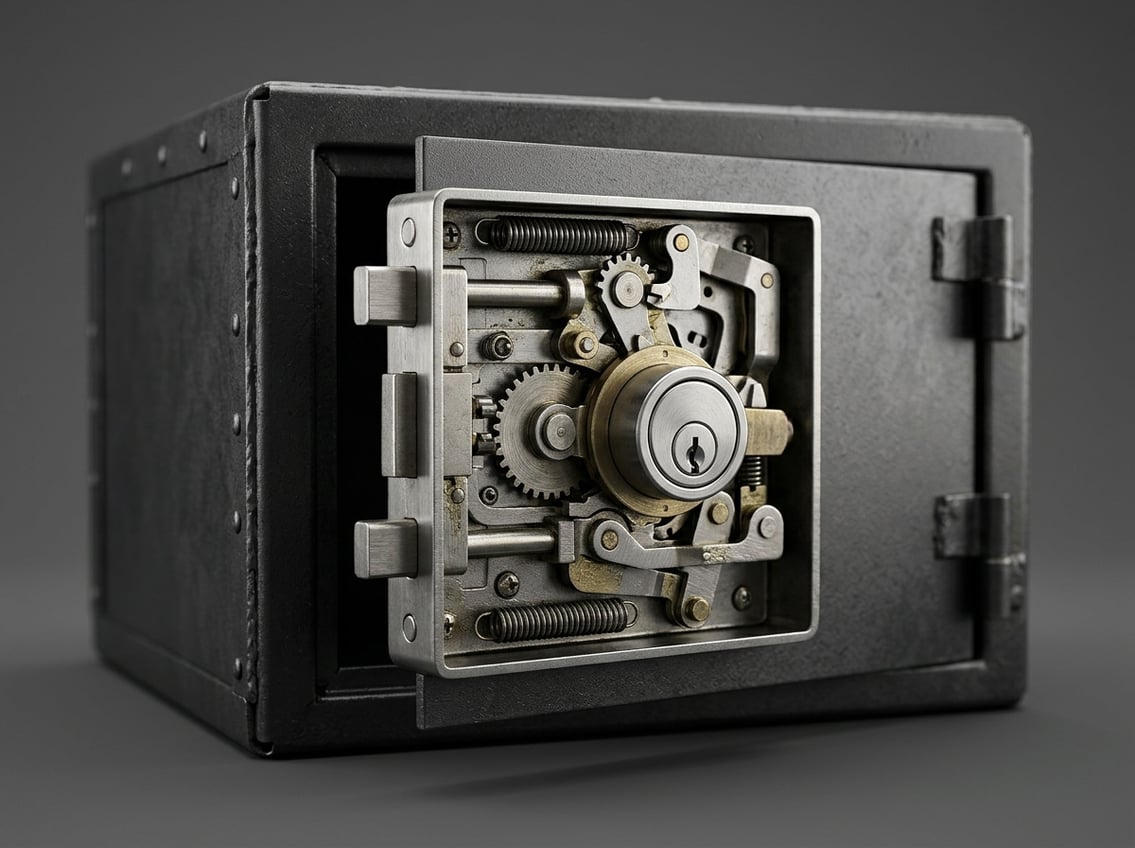
A locked box suits a buyer and seller who want a fixed, certain price at signing, provided the reference accounts are reliable and the agreement tightly defines and backs leakage claims. The approach started in European private equity and has since made its way into Canadian private deals, especially competitive sales where bidders need to compare offers on a like-for-like basis.
At Beganyi Law, our M&A work covers pricing mechanics on both sides of the table, and our principal lawyer completes more than 20 commercial transactions each year. If you are buying or selling a business in Ontario and weighing a locked box, you can call us at +1 647-977-7749 or arrange a confidential consultation, including remotely.
Key Takeaways
- A locked box sets the equity price from pre-signing accounts and shifts economic risk to the buyer from that date.
- Leakage definitions, permitted exceptions, and enforceable indemnities do the protective work that a post-closing adjustment would otherwise do.
- Completion accounts remain the better tool where trading is volatile or the gap to closing is long.
How Is the Purchase Price Fixed Before Closing?
Under a locked box, the parties agree the equity price using a historical balance sheet, then "lock" that value until closing. The mechanics depend on three things: the date and accounts chosen, the point at which risk passes, and any compensation the seller receives for the time between the locked box date and completion.
What Do the Locked Box Date and Accounts Establish?
The locked box date is the reference point for valuation. It is the end of a fiscal period for which financial statements already exist, such as a year-end or quarter-end.
The locked box accounts show the target company's cash, debt and working capital at that date. The parties start from an agreed enterprise value, add cash, subtract financial debt and other agreed items, and arrive at the equity value. That equity price becomes the acquisition price written into the purchase agreement.
A useful starting rule from market practice: the accounts should be no more than six months old. Older accounts create a wider gap during which performance can drift and value can leave the business. Buyers then need more financial due diligence to get comfortable.
Practical points we raise when settling the date:
- Pick a date that fits the buyer's valuation basis, accounting for seasonality.
- Confirm whether audited statements or management accounts will be used.
- Cross-check every defined term so "Locked Box Date" does not conflict with "Financial Statements" or an "Accounts Date" elsewhere in the agreement.
These terms often surface first in the letter of intent, and settling the mechanism and reference date there saves renegotiation later.
When Do Economic Risk and Legal Ownership Transfer?
Economic risk and economic interest pass to the buyer at the locked box date, which comes before signing. Legal ownership passes later, at completion.
That split is the defining feature. Profits earned during the locked box period belong economically to the buyer, and so do losses. If a major customer leaves a month after the locked box date, the price does not move.
For a share purchase, this fits naturally because the buyer acquires the whole entity and its history. Asset deals raise different questions about which items transfer, so the choice between a share or asset structure affects how cleanly a locked box works.
Buyers should think hard about trading risk during the locked box period, particularly in uncertain markets. Interim conduct covenants (discussed below) are the main tool for managing it.
How Do Value Accrual and a Ticking Fee Affect the Price?
Because the buyer gets the profits from the locked box date, sellers commonly ask for compensation for the time value of money until completion. That compensation takes the form of a ticking fee or value accrual.
A ticking fee works like a daily interest charge: a per diem amount multiplied by the days from the locked box date to the completion date. Some deals instead tie the accrual to forecast cash generation.
A simplified price formula looks like this:
Component | Effect on price |
|---|---|
Locked box equity value | Starting point |
Scheduled leakage before signing | Deducted |
Ticking fee or value accrual | Added |
Unscheduled leakage found later | Recovered by indemnity |
Negotiate the per diem rate carefully. A rate set too high rewards a seller for delay; one set too low leaves the seller funding the buyer's earnings.
How Do Leakage Protections Preserve the Agreed Value?
Leakage provisions replace the post-closing true-up as the buyer's core protection. The seller promises that no value has left the business for its own benefit since the locked box date, except for payments both sides have specifically approved, and backs that promise with a dollar-for-dollar indemnity.
Which Seller Payments Count as Leakage?
Leakage is any value flowing from the target to the seller or its related parties during the locked box period. A robust definition in the share purchase agreement should capture every route a seller could use to extract value.
Typical leakage items include:
- Dividends, distributions, and returns of capital
- Management fees or bonuses paid to the seller or related parties
- Repayment of shareholder loans
- Transaction costs borne by the target, such as seller advisory fees
- Asset transfers to the seller at an undervalue
- Waivers of amounts owed to the target by the seller
- Taxes triggered by any of the above
In owner-managed Ontario businesses, the riskiest items are informal: personal expenses run through the company, related-party rent above market, or year-end bonuses declared to manage tax. These need explicit coverage. Arrangements set out in existing shareholder agreements can also create payment obligations that fall inside the locked box period.
What Should Be Listed as Permitted Leakage?
Permitted leakage is the schedule of seller payments the buyer has already priced in. Each item should be specific, quantified where possible, and tied to a business reason.
Common permitted items:
- Salary at existing rates for owner-employees
- Rent under an existing related-party lease at the stated amount
- A specific, named payment that both sides have already deducted from the price
A broad catch-all such as "payments in the ordinary course" defeats the purpose. Buyers should resist general language; sellers should list every recurring payment they expect to make so nothing is later attacked as leakage. On sell-side files, our seller representation work includes building this schedule from the company's actual payment history.
How Are Leakage Claims Calculated and Enforced?
Leakage claims are recovered dollar for dollar, ideally from the first dollar, with no deductible or basket. The seller indemnifies the buyer for the full amount of any unpermitted leakage.
Several drafting points shape enforceability:
- Claim window. Leakage claims run for a fixed period after completion, commonly shorter than general warranty claims. Negotiate enough time for the buyer's first post-closing financial review.
- Exclusion from caps. Leakage claims sit outside general indemnity limits in most locked box transactions.
- Disclosure before closing. Sellers deliver a leakage statement before completion so known items reduce the price at closing.
- Recovery source. A seller indemnity is only as good as the seller's ability to pay, which leads to the security questions below.
What Should Ontario Buyers and Sellers Check Before Signing?
Everything that determines price is settled before signing, so the diligence and drafting must be finished first. Buyers need confidence in the accounts and control over interim trading, while sellers need clean records and tax planning completed before the box is locked.
Validate the Accounts and Interim Trading Through Financial Due Diligence
Financial due diligence carries more weight in a locked box deal because no closing balance sheet will catch errors. The purchaser has to accept the target's numbers as at the locked box date.
Audited accounts give the most comfort and are preferred. Buyers may accept unaudited management accounts where an independent accounting firm prepares vendor due diligence that the buyer can rely on.
Areas for the review:
- Quality of earnings and the treatment of owner expenses
- Debt-like items, including unpaid bonuses, vacation accruals, customer deposits, and tax arrears
- Monthly trading results after the locked box date
- Payments to related parties since that date
Our due diligence work connects these findings to the leakage schedule and warranties so each identified risk is priced or allocated.
Negotiate Conduct Covenants, Reporting Rights, and Claim Security
Between signing and closing, the seller still runs the business. Conduct covenants restrict what it can do without buyer consent.
Standard restrictions cover paying dividends, incurring debt, selling material assets, changing compensation, and entering unusual contracts. Buyers should add reporting rights, such as monthly financials and notice of material events.
Security for claims deserves attention when sellers are individuals who will distribute sale proceeds. Options include:
- An escrow of part of the purchase price for the leakage claim period
- A holdback retained by the buyer
- Personal guarantees from principals of a holding company seller
Set a clear dispute resolution process for leakage claims, including timing for notices and who decides contested amounts. For acquirers, buy-side advisory support helps match the security package to the seller's profile.
Coordinate Corporate Records, Tax Planning, and Accountant Input
Sellers should complete pre-sale tax planning before the locked box date, because later steps can create leakage. Purification to qualify for the lifetime capital gains exemption, for example, removes non-business assets and may involve payments that need to be scheduled as permitted leakage or completed before the reference date.
Minute books, share registers, and prior dividend resolutions should be current. Gaps found late slow signing and invite price renegotiation.
The seller's accountant should be involved early on preparation of the locked box accounts, and legal drafting should match the financial model. Our tax planning for business sales is coordinated with clients' accountants for exactly this reason.
When Are Completion Accounts a Better Fit?
Completion accounts suit deals where the financial position will move materially before closing, or where the buyer cannot rely on historical accounts. The price follows the business as it stands at closing, at the cost of a post-closing process and a higher chance of disagreement.
How Does a Post-Closing True-Up Differ from Fixed Pricing?
Under a completion accounts mechanism, the buyer pays a preliminary purchase price at closing based on estimates. After closing, a closing balance sheet is prepared, and a purchase price adjustment produces the final purchase price.
Cash, debt and working capital are measured against agreed targets, often a normalized working capital figure. Shortfalls reduce the price; surpluses increase it. Disputes over the closing accounts are commonly sent to expert determination by an independent accountant.
A locked box removes that whole stage. The detailed peg and adjustment drafting belongs in a separate exercise, set out in our guide to working capital adjustment calculations and deal terms.
Compare Price Certainty, Execution Costs, and Dispute Risk
The two purchase price mechanisms shift effort to different stages of the deal.
Criterion | Locked box | Completion accounts |
|---|---|---|
Reference date | Before signing | Closing |
Price certainty | Fixed at signing | Known after closing |
Pre-signing effort | Higher | Moderate |
Post-closing effort | Low | Accounts and reconciliation |
Main protection | Leakage indemnity | Price adjustment |
Dispute risk | Narrow (leakage only) | Broader (every line item) |
Completion accounts allow scrutiny of every balance sheet line, which helps buyers facing unreliable records. They also tie up management time in the months after closing and delay part of the seller's proceeds.
Assess Stable Businesses, Volatile Trading, and Competitive Auctions
A locked box works best for businesses with reliable accounts, steady trading, and a short signing-to-closing gap. Service businesses with predictable margins fit this profile.
Completion accounts are the safer choice when:
- Working capital swings with seasons or large contracts
- Regulatory approvals may stretch the period before closing
- Historical statements are unaudited and no vendor diligence exists
- The business is mid-restructuring
Competitive auctions favour the locked box. Sellers can ask bidders for fixed-price offers on the same accounts, making bids directly comparable. In bilateral deals with a strong buyer, completion accounts appear more frequently.
Align Price Certainty with the Right Deal Protections
Choose a locked box when the accounts are dependable and the time to closing is short, then put the real effort into the protections that make the fixed purchase price safe. Price certainty comes from careful work before signing.
For buyers, that work means thorough due diligence on the locked box accounts, conduct covenants for the interim period, and leakage indemnities that sit outside general caps and are backed by escrow or other security.
For sellers, it means a complete permitted leakage schedule, tax planning finished before the reference date, and records ready for scrutiny. Owners who start early, as we cover in our guidance on how to prepare a business for sale in Ontario, are in a stronger position to offer a locked box and command a clean price.
Both sides should confirm that every defined term in the share purchase agreement (locked box date, leakage, permitted leakage, ticking fee) matches the financial model before signing.
Frequently Asked Questions
Can a locked box mechanism be used in a Canadian share purchase?
Yes. The locked box mechanism fits Canadian share purchases well because the buyer acquires the entire corporation and its financial history. It has become more common in Canadian private M&A, particularly in sale processes involving private equity buyers.
Do locked box accounts have to be audited?
No, though audited locked box accounts are preferred because they give buyers more certainty. Buyers often accept unaudited management accounts where an independent accounting firm completes vendor financial due diligence that the buyer can rely on.
How far before closing should the locked box date be?
As a starting point, the accounts behind the locked box date should be no more than six months old. Longer gaps increase the risk of performance changes and leakage, and they require more financial due diligence.
Can a buyer claim for leakage discovered after closing?
Yes, within the claim period set in the purchase agreement. Leakage is normally recoverable from the seller dollar for dollar through a specific indemnity, often from the first dollar and outside general liability caps.
Does locked-box pricing remove the need for an escrow?
No. A locked box removes the post-closing price adjustment, but an escrow or holdback still secures leakage and warranty claims. Escrow is most useful where the seller will distribute proceeds soon after closing.